Invisible Glow, Bold Atmosphere

Today we explore Minimal-Profile Lighting: Trimless Recessed Fixtures and Hidden LED Strips—discreet details that make rooms feel airy, calm, and intentional. Learn how plaster-in channels, regressed optics, and continuous lines shape perception, reduce glare, and honor materials. Expect practical specifications, design stories, and field-tested tips you can apply immediately, whether refreshing a kitchen, refining a gallery wall, or orchestrating a serene hotel lobby. Share your questions and ideas, and subscribe for hands-on guides and inspiring, quietly transformative case studies.

Why Disappearing Light Matters

Minimal-profile lighting calms visual noise by letting surfaces speak while light performs quietly. Trimless recessed fixtures vanish into architecture; hidden LED strips wash, graze, and guide without hardware clutter. The result is focus, comfort, and a contemporary elegance that feels timeless, efficient, and deeply considered.

Human-Centered Comfort

Discreet sources become kinder when optics and geometry prioritize the eye. Regressed apertures, thoughtful cut‑off, and softened edges lower perceived brightness, easing fatigue and reducing veiling reflections on screens and artwork. Pair with tunable white to support circadian cues without drawing attention to the hardware.

Aesthetic Continuity

Plaster-in details extend lines of architecture, not gadgetry. When channels align with reveals, door heads, and cabinet rhythms, the light reads as part of the composition. Materials stay honest, junctions stay quiet, and your eye flows uninterrupted from surface to surface, breathing with spacious clarity.

Practical Efficiency

Hidden systems excel at low-maintenance performance. Continuous runs reduce fixture counts, drivers centralize for serviceability, and LEDs sip energy while delivering precise output. Thoughtful thermal paths, quality bins, and sealed profiles ensure longevity, while dimming protocols keep ambiance flexible for tasks, guests, and changing moods across every day.

Planning From Ceiling To Skirting

Ceiling Layout Intelligence
Map joists, ducts, and fire heads before framing closes. Decide on linear orientations that complement room proportions and furniture placement, not just structural convenience. Maintain consistent setbacks from walls, anticipate beam spreads, and leave serviceable cavities for drivers, so every glowing line feels intentional, even once ceilings are painted.

Wall And Joinery Integration

Sink channels into cabinet undersides, bookcase uprights, and shadow gaps where panels meet. Conceal wiring paths behind removable backs, and anchor aluminum to rigid substrates for heat dissipation. Let light reveal textures gently, turning ordinary shelving, headboards, and door portals into quietly animated surfaces that enrich daily routines.

Floor-Level Guidance

Recessed toe-kick and stair nosing profiles create floating furniture illusions and safe nighttime paths. Keep strips continuous around corners with flexible connectors, and specify low-glare diffusers to avoid hotspots on polished floors. Small moves here dramatically improve navigation, hospitality ambience, and accessibility without introducing visible clutter or distraction.

Choosing Profiles, Optics, and LEDs

Specifications shape experience. Select channels deep enough for dot-free results, optics that control brightness, and LEDs with consistent color. Mind CRI, R9, and TM‑30 fidelity and gamut, plus MacAdam bins for uniformity. Balanced output and thermal paths ensure calm, flattering light that remains stable for years.

Power, Dimming, And Control

Concealed systems rely on clean electrical strategy. Choose constant-voltage or constant-current thoughtfully; plan wire gauges and runs to tame voltage drop. Drivers must be accessible yet invisible. Select dimming—0‑10V, DALI, DMX, or Bluetooth—based on scene needs, flicker performance, and integration with shades, sensors, and schedules.

Installation Details The Pros Never Skip

Craft makes minimalism believable. Before final coats, power up mock runs and scan surfaces at oblique angles to catch waves and pinholes. Sequence trades carefully, protect channels during sanding, and document exact LED reels and drivers, so replacements remain color-matched and maintenance never scars perfect edges.

Perfect Plaster Edges

Use mesh tape, corner bead, and multiple skim layers to feather transitions invisibly. Sand with long blocks, backlight with work lamps, and spot high areas using crosshatch pencil marks. Paint reveals flaws mercilessly; patience here means that once energized, the light reads impossibly seamless and elegantly restrained.

Continuous Lines Without Shadows

Plan feed locations so light runs join away from critical sightlines. Maintain consistent LED density, orient reels uniformly, and use bridging connectors to avoid dark stitches. Practice on-site miters, notched diffusers, and precise end caps to carry glow smoothly through corners without distracting steps or shifts.

Safe Heat And Ventilation

Treat aluminum channels as heatsinks, apply thermal tape correctly, and respect clearance from insulation. In humid or wet zones, choose sealed profiles and IP ratings to match conditions. Coordinate firestopping and air barriers so safety remains uncompromised while the light quietly delivers comfort, orientation, and enduring reliability.

Real Stories And Lessons Learned

The Kitchen That Finally Felt Calm

We replaced bezel-heavy cans with a quiet trio: a trimless linear over the island, concealed strips under shelves, and a soft toe-kick run. Tasks brightened, late-night trips felt safe, and the ceiling stopped shouting. Guests noticed comfort, not hardware, and dinners lingered joyfully longer.

A Gallery’s Silent Spotlight

Frameless, regressed apertures guided visitors without glittering in frames. We tightened beam spreads, lifted cut‑off, and tuned color toward neutral to respect pigments. Curators reported calmer viewing and fewer reflection complaints, while maintenance praised the accessible drivers tucked neatly above a demountable ceiling panel near the entry.

A Bathroom That Glows, Not Glares

We selected silicone-encapsulated strips inside niches and an IP65 trimless slot above the vanity, with warm-dim for midnight rituals. Steam never bothered the system, reflected highlights softened, and the mirror stayed flattering. Small choices turned a tight space into unassuming spa-like comfort guests consistently appreciate.
Serviceability Without Scars
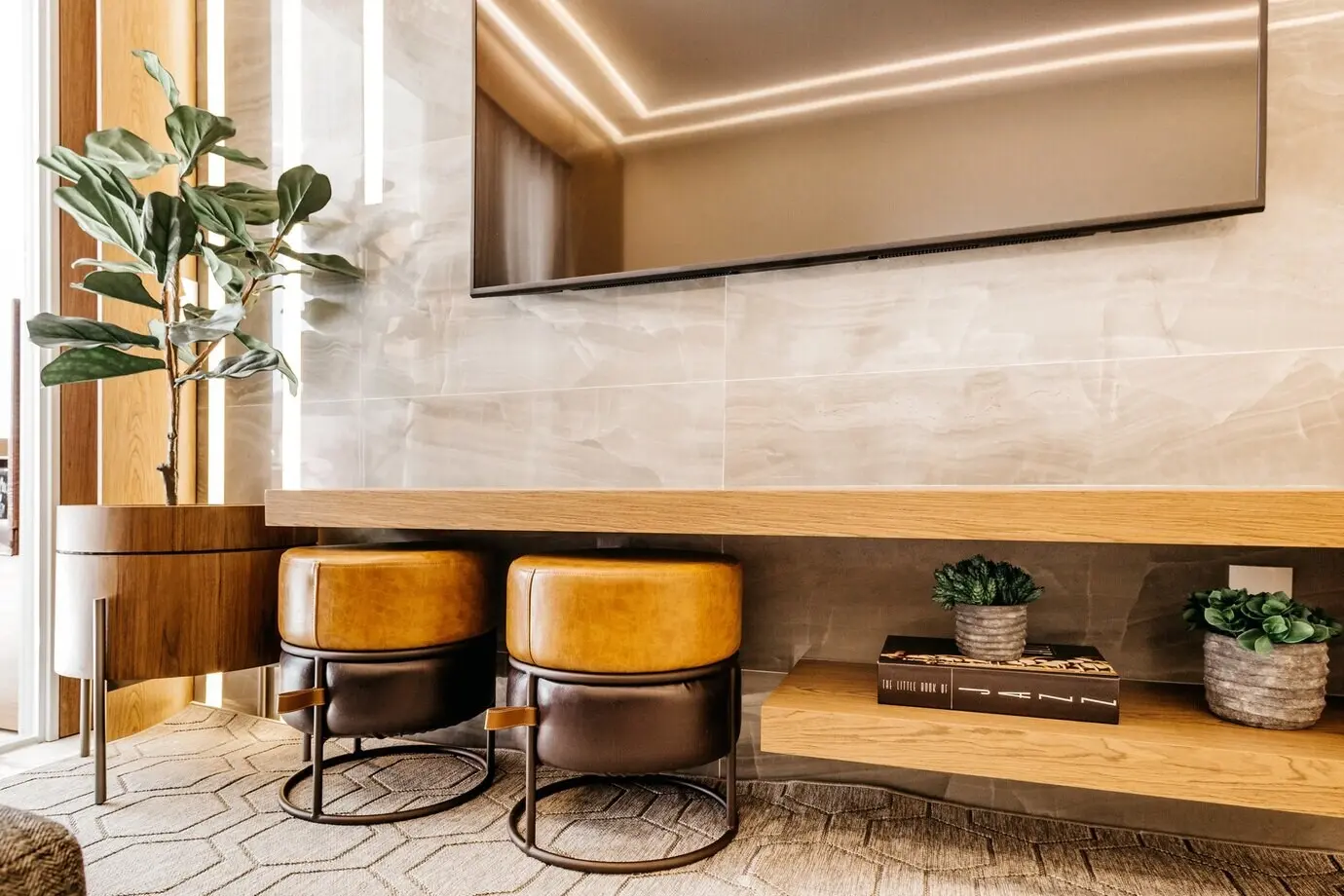
Design with replaceability in mind: snap-in diffusers, removable end caps, and driver compartments that open without cutting drywall. Label everything discreetly, photograph concealed junctions, and share a maintenance guide with occupants so small issues resolve gracefully before they snowball into disruptive, costly, and avoidable interventions.

Resilience In Demanding Spaces

Pools, saunas, and seaside homes need sealed profiles, corrosion-safe fasteners, and drivers protected from salt and humidity. Validate IP ratings against real conditions, and allow ventilation for heat. When environments push harder, discreet lighting still endures, quietly performing without drama through seasons, usage spikes, and deep cleanings.
Fetovakofetotovo
Privacy Overview

This website uses cookies so that we can provide you with the best user experience possible. Cookie information is stored in your browser and performs functions such as recognising you when you return to our website and helping our team to understand which sections of the website you find most interesting and useful.